
However, spending more time in the sun also means greater exposure to ultraviolet (UV) radiation, which can have lasting effects on your eye health.
While most people understand the importance of protecting their skin from the sun, many overlook the impact that UV rays can have on their eyes. Long-term exposure to ultraviolet light is one of several factors that may increase the risk of developing cataracts, the leading cause of vision loss worldwide.
At the Filutowski Eye Institute, we encourage patients to take proactive steps to protect their vision. Understanding the connection between UV exposure and cataracts is an important part of maintaining healthy eyes for years to come.
What Are Cataracts?
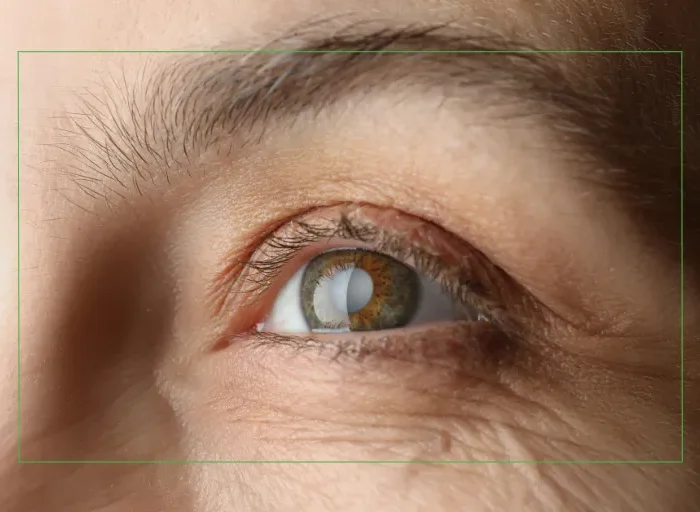
A cataract develops when the eye’s natural lens becomes cloudy, preventing light from passing through clearly. As cataracts progress, vision gradually becomes blurred, making everyday activities more difficult.
Common symptoms of cataracts include:
- Blurry or cloudy vision
- Increased glare from sunlight or headlights
- Difficulty seeing at night
- Colors appearing faded or yellowed
- Frequent changes in eyeglass prescriptions
- Double vision in one eye
Because cataracts typically develop slowly, many people may not notice changes until vision begins affecting daily life.
How UV Exposure Affects Your Eyes
Ultraviolet radiation is an invisible form of energy produced by the sun. Over time, repeated exposure to UV rays can contribute to changes within the eye’s natural lens.
Although aging remains the most significant risk factor for cataracts, research has shown that cumulative UV exposure may increase the likelihood of cataract development.
Florida residents often receive higher levels of UV exposure due to:
- Year-round sunshine
- Outdoor sports and recreation
- Boating and fishing
- Beach activities
- Golf
- Gardening
- Walking and exercising outdoors
Even on cloudy days, ultraviolet rays can penetrate cloud cover and reach your eyes.
Why Florida Residents Face Greater Risk
Florida consistently experiences some of the highest UV index levels in the United States.
In addition to direct sunlight, UV rays reflect off:
- Water
- Sand
- Concrete
- Glass
- Pavement
This reflected light can increase total UV exposure, particularly for individuals who spend significant time outdoors.
Whether you’re enjoying a day at the beach, playing golf, or attending a sporting event, your eyes may be receiving more UV exposure than you realize.
Who Is Most at Risk?
While everyone benefits from UV protection, certain individuals may face a higher risk of developing cataracts earlier in life.
Risk factors include:
- Age over 60
- Extensive outdoor work
- Frequent outdoor recreation
- Family history of cataracts
- Smoking
- Diabetes
- Previous eye injuries
- Long-term use of certain medications, including corticosteroids
The more risk factors you have, the more important regular eye examinations become.
How to Protect Your Eyes From UV Damage
Fortunately, protecting your eyes from harmful UV rays is simple and can become part of your daily routine.
Wear Quality UV-Blocking Sunglasses
Choose sunglasses that block 100% of both UVA and UVB rays.
Large frames or wraparound styles offer additional protection by limiting sunlight that enters from the sides.
Don’t Forget a Hat
A wide-brimmed hat helps reduce the amount of sunlight reaching your eyes and can significantly decrease UV exposure when combined with sunglasses.
Wear Eye Protection Year-Round
UV rays don’t disappear during cooler months.
Florida residents should wear protective eyewear whenever spending extended time outdoors, regardless of the season.
Protect Children Early
Children often spend more time outside than adults, and their eyes allow more UV light to reach internal structures.
Teaching healthy eye protection habits early may help reduce lifetime UV exposure.
Can Cataracts Be Prevented?
Not all cataracts can be prevented, as aging remains the primary cause. However, reducing unnecessary UV exposure may help lower your overall risk and support long-term eye health.
Healthy lifestyle choices may also help preserve your vision, including:
- Not smoking
- Managing diabetes
- Eating a diet rich in leafy greens and colorful fruits and vegetables
- Scheduling regular comprehensive eye examinations
These habits benefit your overall eye health in addition to reducing certain cataract risk factors.
Modern Cataract Surgery Offers Excellent Outcomes
If cataracts begin affecting your daily activities, modern cataract surgery is one of the safest and most commonly performed procedures in medicine.
Today’s advanced technology allows surgeons to do much more than simply remove the cloudy lens.
Patients may have options that can improve:
- Distance vision
- Intermediate vision
- Near vision
- Astigmatism correction
- Overall visual quality
Premium intraocular lenses, including multifocal, toric, extended depth-of-focus, and the innovative Light Adjustable Lens (LAL), allow many patients to reduce their dependence on glasses after surgery.
During your consultation, your surgeon can help determine which lens option best aligns with your lifestyle and visual goals.
The Importance of Regular Eye Exams
Because cataracts develop gradually, regular comprehensive eye examinations are one of the best ways to monitor changes before they significantly impact your vision.
Early detection allows your ophthalmologist to:
- Monitor cataract progression
- Recommend appropriate timing for surgery
- Identify other eye conditions that may affect vision
- Develop a personalized treatment plan
Many patients are surprised to learn that vision changes they attributed to aging are actually caused by cataracts that can be successfully treated.
Protect Your Vision for the Future
Florida’s sunshine is one of its greatest attractions, but protecting your eyes from UV exposure should be part of your everyday routine.
Simple habits like wearing UV-blocking sunglasses and scheduling regular eye exams can help support long-term eye health and preserve your vision.
At the Filutowski Eye Institute, our experienced team provides comprehensive eye care, advanced cataract evaluations, and personalized treatment options designed to help patients achieve their best possible vision.
Schedule Your Consultation
If you’ve noticed changes in your vision or it’s time for your routine eye examination, schedule a consultation with the Filutowski Eye Institute. Our team is here to help you protect your eyesight today and for years to come.
Contact Information
The Filutowski Eye Institute
Phone: (407) 333-5111
Locations: Lake Mary, Orlando, and Daytona Beach