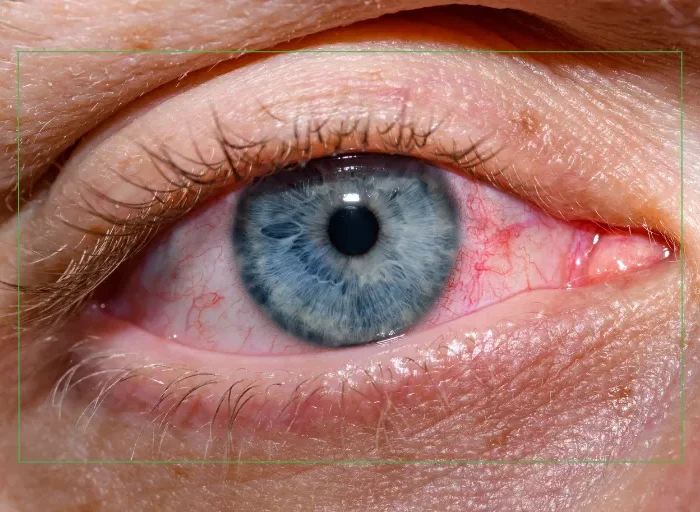

Many Florida patients are surprised to experience worsening dryness during the winter months, particularly when symptoms feel more severe than during the summer. Understanding winter dry eye relief becomes especially important at the start of the year, when patients are motivated to improve comfort, productivity, and overall eye health.
Dry eye disease is not a temporary inconvenience for many individuals. It is a chronic condition that can affect vision quality, comfort, and long-term eye health. In 2026, treatment plans for dry eye are more targeted and effective than ever before. With advanced diagnostics and personalized therapies, patients no longer need to rely solely on artificial tears. Instead, they can pursue treatment strategies designed to address the underlying causes of dryness and support lasting relief.
Why Winter Triggers Dry Eye Symptoms in Florida
Florida’s winter climate often feels mild, but it introduces several factors that disrupt the tear film. Cooler air holds less moisture, reducing humidity levels both outdoors and indoors. Heating systems further dry the air, accelerating tear evaporation. For patients who travel frequently during the winter, exposure to airplane cabin air compounds these effects.
Another contributing factor is increased screen time. Shorter daylight hours and holiday routines often lead to extended use of phones, tablets, and computers. Reduced blinking during screen use worsens tear film instability, allowing dryness and irritation to intensify.
For individuals already predisposed to dry eye, winter conditions can turn manageable symptoms into persistent discomfort. Identifying these triggers is the first step toward effective winter dry eye relief.
Understanding the Causes of Dry Eye Disease
Dry eye disease occurs when the eyes do not produce enough tears or when the tear film evaporates too quickly. In many cases, the issue lies in the quality of the tears rather than the quantity. The tear film consists of three layers: oil, water, and mucus. When any layer becomes unstable, dryness and irritation follow.
One of the most common contributors to dry eye is meibomian gland dysfunction. These glands produce the oil layer that prevents tears from evaporating. When the glands become blocked or inflamed, tears evaporate too rapidly, leading to dryness, burning, and fluctuating vision.
Other contributing factors include hormonal changes, medications, autoimmune conditions, contact lens use, and environmental exposure. In winter, these factors often converge, making symptoms more noticeable and persistent.
Why Artificial Tears Alone Are Often Not Enough
Many patients attempt to manage dry eye with over-the-counter drops alone. While artificial tears can provide temporary relief, they do not address the underlying cause of the condition. In chronic cases, reliance on drops without proper diagnosis may delay effective treatment.
In 2026, dry eye care emphasizes targeted therapy based on diagnostic findings. Rather than masking symptoms, modern treatment plans focus on restoring tear film stability, improving gland function, and reducing inflammation. This approach leads to more consistent relief and improved visual clarity.
Advanced Dry Eye Diagnostics in 2026
Effective winter dry eye relief begins with accurate diagnosis. Modern diagnostic tools allow ophthalmologists to evaluate tear film quality, gland structure, and ocular surface health in detail.
Advanced diagnostics may include:
• Tear film analysis
• Meibomian gland imaging
• Inflammation markers
• Corneal surface evaluation
• Blink pattern assessment
These tests help determine whether dryness stems from gland dysfunction, inflammation, tear deficiency, or a combination of factors. Accurate diagnosis allows for a personalized treatment plan rather than a one-size-fits-all approach.
Effective Winter Dry Eye Treatment Plans
Once the cause of dry eye is identified, treatment can be tailored to the patient’s specific needs. In 2026, dry eye treatment plans often combine in-office therapies with at-home maintenance strategies.
Common components of effective treatment plans include:
- Thermal gland therapies to restore oil flow
- Light-based treatments to reduce inflammation
- Prescription eye drops targeting tear production or inflammation
- Lid hygiene regimens to support gland health
- Nutritional support when appropriate
- Environmental modifications for indoor comfort
These therapies work together to improve tear stability and reduce symptom recurrence. Many patients experience meaningful improvement within weeks of beginning targeted treatment.
Dry Eye and Its Impact on Vision Quality
Dry eye does more than cause discomfort. It can significantly affect vision quality by creating fluctuations in clarity, glare sensitivity, and eye fatigue. Patients may notice blurred vision that improves with blinking or difficulty focusing during prolonged tasks.
For individuals considering LASIK or cataract surgery, unmanaged dry eye can interfere with diagnostic accuracy and surgical outcomes. Addressing dry eye before pursuing other procedures improves both comfort and long-term results. This is why winter dry eye relief is often an important first step in broader vision care planning.
Lifestyle Adjustments That Support Winter Dry Eye Relief
In addition to clinical treatment, lifestyle modifications play an important role in symptom management.
- Use a humidifier indoors during winter months
- Take regular breaks from digital screens
- Practice conscious blinking during screen use
- Avoid direct airflow from heaters or vents
- Stay well hydrated throughout the day
- Wear wraparound sunglasses outdoors
These adjustments support tear film stability and complement medical treatment.
When to Seek Professional Dry Eye Care
Patients should seek professional evaluation if dryness persists despite regular use of artificial tears, interferes with daily activities, or causes fluctuating vision. Early intervention prevents progression and improves overall comfort.
Many patients wait until symptoms become severe before seeking care. However, winter is an ideal time to address dry eye proactively, especially as patients plan for the year ahead.
Looking Ahead: Dry Eye Care in 2026
Dry eye management continues to evolve, with new therapies and diagnostic tools enhancing treatment precision. In 2026, patients benefit from earlier detection, more personalized care, and longer-lasting relief. Addressing dry eye early in the year sets a strong foundation for comfort, productivity, and readiness for any future vision procedures.
Actionable Takeaways
- Recognize that winter conditions can worsen dry eye in Florida
- Understand that chronic dry eye requires targeted treatment
- Schedule a comprehensive dry eye evaluation
- Use advanced diagnostics to identify the root cause
- Combine in-office therapy with at-home care
- Make lifestyle adjustments to support tear stability
- Address dry eye early to improve long-term eye health
Call to Action
Schedule your dry eye evaluation at the Filutowski Eye Institute to experience advanced diagnostics and personalized treatment plans designed for lasting winter relief. Our team will help you restore comfort and clarity as you begin 2026.
Contact Information
The Filutowski Eye Institute
Phone: (407) 333-5111
Locations: Lake Mary, Orlando, and Daytona Beach
#EyeHealth #LightAdjustableLens #OrlandoEyeCare #HealthyVision #LASIKFlorida