
Yet for many high-performing adults, LASIK becomes one of the most practical upgrades they can make. It reduces dependence on corrective lenses, improves convenience during travel and workouts, and can simplify everything from early morning routines to late-night driving. In 2026, LASIK candidacy evaluation is more precise and personalized than ever, allowing patients to make confident decisions based on detailed diagnostics, clear expectations, and lifestyle alignment.
LASIK candidacy in 2026 is not about fitting into a generic checklist. It is about understanding how your eyes are built, how stable your vision is, and how your ocular surface health supports predictable outcomes. Advanced imaging and screening tools now allow surgeons to evaluate corneal thickness, shape, and quality with exceptional detail. Tear film stability and dryness are also assessed more thoroughly, which is especially important for professionals who spend long hours on screens or travel frequently. This guide explains what candidacy means today, what factors matter most, and how professionals can plan LASIK in a way that fits their schedule without sacrificing safety or results.
Why LASIK Appeals to Busy Professionals
Professionals tend to value efficiency, predictability, and long-term return on investment. LASIK aligns with those priorities. It reduces the recurring costs and logistics of contacts and glasses, and it can streamline day-to-day life in subtle but meaningful ways. Many professionals appreciate not needing corrective lenses for commuting, presentations, gym sessions, outdoor activities, and travel.
LASIK can also reduce the friction that accumulates over time with contacts, including dryness, irritation, and end-of-day fatigue. For professionals in Florida, environmental factors such as air conditioning, seasonal allergens, and frequent time outdoors can intensify ocular discomfort. A properly planned LASIK evaluation accounts for these factors and clarifies whether LASIK is the best match, or whether an alternative procedure would produce a stronger long-term outcome.
What LASIK Corrects and What It Does Not
LASIK is designed to correct refractive errors by reshaping the cornea so light focuses properly on the retina. Common refractive errors include nearsightedness, farsightedness, and astigmatism. Many busy professionals pursue LASIK because they want consistent distance vision without daily lens management.
LASIK does not stop natural aging changes inside the eye. Presbyopia, which commonly begins in the forties, affects near vision as the natural lens becomes less flexible. Cataracts can also develop later in life as the natural lens becomes cloudy. A candidacy evaluation clarifies how your age, near-vision needs, and lens health influence your best options in 2026. In some cases, lens-based procedures may provide a more strategic long-term solution than corneal reshaping.
The 2026 LASIK Candidacy Evaluation Process
A modern LASIK evaluation is comprehensive. The goal is to confirm safety, predictability, and alignment with your lifestyle. Busy professionals should expect a structured visit that includes detailed testing and a clear discussion of results.
Key components of a LASIK candidacy evaluation typically include:
- A review of your vision history and prescription stability
- Corneal thickness measurement
- Corneal shape mapping to detect irregularities
- Pupil size assessment
- Tear film and dry eye evaluation
- Wavefront or higher-order aberration assessment when indicated
- Eye health screening to rule out conditions that may affect outcomes
The candidacy process in 2026 is strongly data-driven. Advanced diagnostics help surgeons identify subtle factors that may impact safety and results. This creates a more personalized recommendation and reduces the chance of unpleasant surprises after surgery.
The Most Important LASIK Candidacy Factors
While every patient is unique, several factors consistently shape candidacy and outcomes. Understanding these factors helps professionals prepare for their evaluation and ask smarter questions.
Prescription Stability
Stable vision is one of the most important indicators of candidacy. If your prescription has changed significantly in the last year, your surgeon may recommend waiting to ensure stability. Stable vision helps ensure the correction remains predictable over time.
Corneal Thickness and Shape
LASIK reshapes the cornea, so the cornea must have adequate thickness and structural stability. Modern corneal mapping also evaluates shape and symmetry. Some irregular patterns may suggest that LASIK is not the safest choice, in which case alternative procedures may be recommended.
Dry Eye and Tear Film Quality
Dry eye is one of the most common issues in professionals due to extended screen use, travel, stress, and air conditioning. Dry eye does not automatically disqualify someone from LASIK, but it must be evaluated and managed appropriately. Tear film instability can affect preoperative measurements and postoperative comfort. In 2026, candidacy evaluations place greater emphasis on ocular surface health to improve accuracy and patient satisfaction.
Overall Eye Health
Your surgeon will screen for eye conditions that may influence surgery, such as corneal disease, glaucoma risk, retinal issues, or significant ocular inflammation. Many professionals are surprised to learn how valuable this screening is, even if LASIK is not ultimately the best option. It provides a high-level snapshot of eye health and supports preventive care planning.
Lifestyle and Visual Priorities
Busy professionals often have specific visual needs. Some spend long hours on screens and want reduced strain. Others drive at night frequently and care about glare. Some travel constantly and want low-maintenance vision. These priorities influence the best approach and help the surgeon recommend the most appropriate treatment pathway.
Who Is Typically a Strong Candidate in 2026
Many professionals fit the profile of excellent LASIK candidates when basic medical requirements are met. Strong candidates often have stable prescriptions, healthy corneas, and realistic expectations.
Common indicators of strong candidacy include:
- Stable prescription for at least one year
- Healthy corneal thickness and shape
- Good general eye health
- Manageable dryness that responds to treatment
- Clear understanding of outcomes and limitations
- Motivation for lifestyle convenience and efficiency
A consultation is the only way to confirm candidacy definitively. Even if two people have similar prescriptions, differences in corneal anatomy or tear film health can lead to different recommendations.
When LASIK May Not Be the Best Option
A candidacy evaluation is equally valuable when it identifies that LASIK is not ideal. This is not a setback. It is a safety filter designed to protect patients and guide them to better options.
Common reasons LASIK may not be recommended include:
- Corneas that are too thin for safe reshaping
- Significant corneal irregularities
- Uncontrolled dry eye disease
- Large or unstable prescription changes
- Certain eye health conditions that increase risk
- Early lens changes where a lens-based option may be more strategic
In these cases, surgeons often discuss alternatives such as PRK, SMILE where appropriate, or lens-based procedures. The goal remains the same: achieve the best outcome for the patient’s long-term vision.
Dry Eye and LASIK in the Professional Population
Dry eye deserves special attention because it is one of the most common and most manageable barriers for busy professionals. Screen-intensive work reduces blink rate and can destabilize the tear film. Travel, especially flying, increases evaporation. Indoor climate control contributes to dryness throughout the day.
A modern 2026 approach to LASIK candidacy often includes dry eye optimization before surgery. This may involve targeted therapies and a timeline that improves ocular surface quality before final measurements are taken. Professionals benefit because this approach improves comfort, improves measurement accuracy, and supports smoother recovery.
Practical dry eye strategies for busy professionals include:
- Using preservative-free lubricating drops consistently
- Taking scheduled screen breaks to reset blink patterns
- Reducing direct airflow exposure from vents
- Using a humidifier during sleep when indoor air is dry
- Following a structured lid hygiene routine when recommended
When dry eye is treated proactively, many professionals become excellent candidates and report higher satisfaction after surgery.
Planning LASIK Around a Busy Schedule
Professionals often assume LASIK requires weeks off. In reality, most patients return to work quickly, but the first few days should be planned carefully. The most common scheduling issue is not the surgery itself, but ensuring follow-up visits and avoiding intense activities during early healing.
Scheduling strategies that work well for professionals include:
- Booking the procedure before a weekend or lighter work period
- Planning for the first 24 to 48 hours to be low-demand
- Avoiding major travel immediately after surgery unless cleared by your surgeon
- Scheduling follow-up visits in advance to protect your calendar
- Preparing your work environment for comfort, including screen breaks and lighting control
Many professionals find that a well-managed LASIK plan creates minimal disruption while delivering meaningful long-term convenience.
What Busy Professionals Should Expect During Recovery
Recovery typically involves temporary dryness and light sensitivity. Vision often improves quickly, but it may fluctuate during early healing. This is normal and should be discussed during the consultation.
Important early recovery expectations include:
- Avoid rubbing your eyes
- Use prescribed drops exactly as directed
- Expect dryness to be more noticeable in the first weeks
- Wear sunglasses outdoors to reduce irritation and glare
- Follow your surgeon’s guidance for gym activities and swimming
- Attend follow-up visits to confirm healing progress
For professionals, the most important recovery factor is consistency. Following instructions closely supports a smoother experience and better long-term results.
Questions Busy Professionals Should Ask at Their Consultation
A candidacy consultation should feel clear and structured. Professionals should leave understanding exactly why a recommendation was made and how it supports their lifestyle goals.
Strong consultation questions include:
- Am I a candidate for LASIK in 2026 based on my corneal mapping results
- What is my tear film status, and do I need dry eye optimization first
- Which procedure offers the best long-term outcome for my age and near-vision needs
- What are realistic expectations for night driving, glare, and screen comfort
- What does my recovery timeline look like based on my work schedule
- What follow-up visits are required and when
- Are there alternatives I should consider and why
These questions help ensure the final decision is based on both medical evidence and personal priorities.
Actionable Takeaways
- Schedule a comprehensive LASIK candidacy evaluation early in the year
- Confirm prescription stability and discuss any recent changes
- Prioritize dry eye diagnostics, especially if you work on screens
- Review corneal mapping results and understand why they matter
- Plan surgery timing around weekends or lighter work periods
- Prepare for short-term dryness and follow post-op instructions closely
- Ask detailed questions to ensure the recommendation aligns with your lifestyle
Call to Action
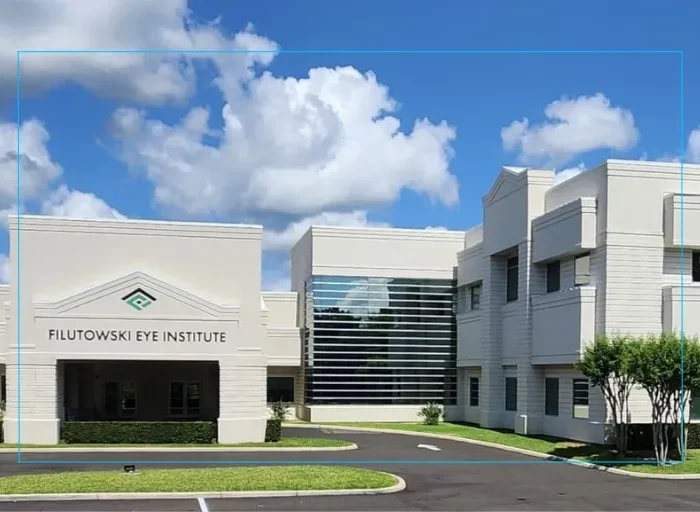
Schedule your consultation today at the Filutowski Eye Institute to determine your LASIK candidacy in 2026. Our team will guide you through advanced diagnostics, personalize your treatment pathway, and help you plan for clear vision with minimal disruption to your professional schedule.
Contact Information
The Filutowski Eye Institute
Phone: (407) 333-5111
Locations: Lake Mary, Orlando, and Daytona Beach
#EyeHealth #LightAdjustableLens #OrlandoEyeCare #HealthyVision #LASIKFlorida